

The Evolution of Wood in Modern Construction
- Wood has been a cornerstone of construction for centuries, valued for its natural beauty & versatility.
- As the construction industry faces the growing need for sustainability, wood is taking on a new role.
- Combining its traditional strengths with modern eco-friendly innovations, wood stands out as a key material in building a greener future.
- Offers a renewable, carbon-friendly option that meets both environmental & structural demands, making it an essential part of sustainable construction.
Few Innovative & Sustainable Solutions in Wood Industry
1. Treatment of Wood
Thermally Modified Wood
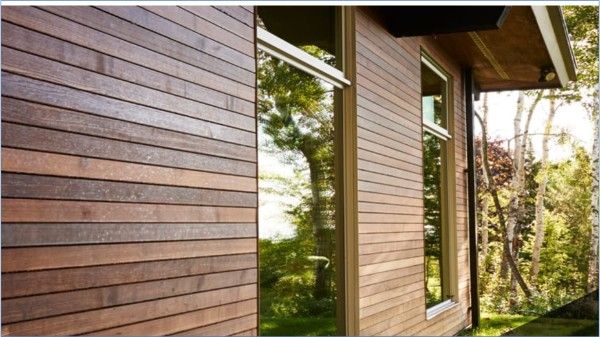
Wood that has been heated to high temperatures in a controlled environment to improve its durability & resistance to rot.
Accoya Wood

Wood treated through a process called acetylation, which alters the cell structure to prevent water absorption.
2. Wood Recycling
Reclaimed Wood
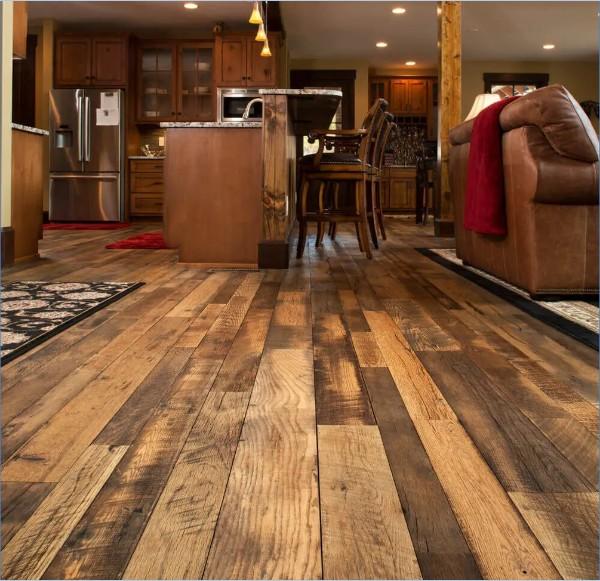
Wood salvaged from old buildings, barns, or factories & repurposed for new construction.
3. Wood Modification
Transparent Wood

Stronger than glass & plastic, it has potential applications in windows, phone screens & lighting.
4. Few Innovative Engineered Wood Product

Cross-Laminated Timber (CLT)
A game-changing wood product created by layering and bonding lumber at right angles.
Glue laminated timber (glulam)
Transforms construction with its strength & flexibility, enabling innovative, sustainable designs. Layered structure boosts durability & minimizes waste, offering an eco-friendly building solution.
Key Players in Innovative & Sustainable Solutions in Wood Industry
- Stora Enso: Top provider of renewable wood-based products, including Cross-Laminated Timber (CLT), & focuses on sustainable forestry & innovative building solutions.
- Binderholz: Specializes in creating innovative wood products like CLT & glue-laminated timber, with a strong focus on sustainable forestry & construction methods.
- Greenply Industries: A leading Indian company specializing in eco-friendly plywood, veneers, & MDF, certified by the Forest Stewardship Council (FSC) & committed to sustainable practices.
- Buro Happold: An engineering consultancy that incorporates sustainable wood solutions into architectural designs to enhance performance & sustainability.
- Structurlam: Specializes in mass timber products like CLT & glue-laminated timber, focusing on sustainable building solutions & large-scale wood structures.
Top 5 Universities Leading Wood Innovation & Sustainability
- University of British Columbia: Renowned for its research in wood science and sustainable building materials.
- University of Washington: Known for its advancements in wood composites and sustainable forestry practices.
- Oregon State University: Known for its innovative approaches in wood science and forestry.
- University of Maryland: Renowned for research in sustainable wood products and forestry.
- Indian Institute of Technology (IIT) Roorkee: Engages in research on sustainable materials and wood engineering.
Few Patent Filings in Wood Industry
NZ737785B2 – Method of producing a laminated wood product, & laminated wood products
- The method cuts a log into trapezoidal lamellae, arranging them in opposite directions & gluing them with over 25% moisture content.
- The trapezoidal design enhances load-bearing capacity perpendicular to the wood fibers, with surface drying & precise shaping ensuring optimal bonding and strength.
KR102413654B1 – Eco-friendly synthetic wood containing coffee grounds and manufacturing method thereof
- The invention introduces an eco-friendly synthetic wood made from coffee foil, waste gypsum & PETG from recycled plastics.
- Material enhances environmental protection by utilizing waste resources & reduces issues like shrinkage, expansion & moisture absorption.
- Improves formability, post-processing & weather resistance.
KR101816786B1 – Manufacturing method of environmentally eco synthetic wood using citrus peel
- Method extracts citrus oil from fresh peels & then processes the peels into a new synthetic wood material.
- It preserves the peel’s properties while improving the product’s quality through washing, drying & crushing steps, resulting in an eco-friendly synthetic wood material.
IN524129A1 – Process for manufacturing improved fire retardant & anti-bacterial plywood
- Selecting & preparing timber, peeling & tenderizing veneers, & drying them to the right moisture level.
- Key steps include advanced core composing for tight bonding, cold & hot pressing & overlaying with additional veneers.
- The final process includes calibration, sanding, & applying a preservative coating, enhancing structural quality & adding fire retardant & acoustic properties.
US20220259412A1 – Transparent wood composite, systems and method of fabrication
- Highly transparent wood composites, with up to 92% light transmittance, are created by removing lignin & infiltrating the wood with index-matching polymers.
- These composites are versatile, used in biodegradable electronics, optoelectronics & energy-efficient building materials, and have shown an 18% boost in energy conversion efficiency when applied to GaAs thin-film solar cells.
KR20190046405A – A biodegradable & environment friendly wood plastic composites & manufacturing method thereof
- The invention creates biodegradable synthetic wood composites by mixing wood powder with biodegradable polymers like polyethylene & cellulose fibers.
- Key steps include pulverizing the wood, controlling its moisture, & adding biodegradable additives.
- The resulting material is strong, crack-resistant, flame-retardant & environmentally sustainable.
Role of Technology in Modern Wood Manufacturing
Technology is improving the way wood is sourced, processed, designed, and incorporated into buildings.
Technology Application Potential benefit Artificial Intelligence (AI) Wood grading and defect detection Improved quality control Internet of Things (IoT) Moisture and condition monitoring Better maintenance decisions CNC machining Precision component manufacturing Reduced cutting errors Building Information Modelling (BIM) Digital building coordination Improved planning Robotics Automated handling and assembly Greater manufacturing consistency Digital twins Building and asset monitoring Better lifecycle management Laser scanning Measurement and inspection More accurate fabrication These technologies can help manufacturers improve productivity, reduce material losses, and develop more reliable timber construction systems.
Conclusion

- The future of construction depends on innovative & sustainable methods, with wood playing a key role. As a renewable material, wood offers eco-friendly solutions from traditional uses to advanced applications like engineered and transparent wood.
- Innovations like cross-laminated timber (CLT), thermally modified wood, transparent wood, glue-laminated timber (Glulam), laminated veneer lumber (LVL) & accoya wood are making buildings stronger, taller & more sustainable.
- Sustainable forestry practices ensure Wood Industry environmentally friendly, reducing carbon footprints & promoting a circular economy.
- As demand for greener construction grows, key players are driving the development of cutting-edge wood technologies that align with global sustainability goals. The wood industry is set to shape a more sustainable & resilient future in construction.
References
Share your thoughts & follow us on:
Stay connected with PATHtoIP for the latest insights on patents, trademarks, copyrights, innovation, and IP strategy. Follow us on LinkedIn, Instagram, Facebook, X , Pinterest, YouTube, and Quora for expert guidance, industry updates, case studies, and practical tips to protect your innovations.