
Introduction
- A trademark is more than just a logo, it’s a unique sign, word, symbol, sound, color, or even smell that helps distinguish one brand from another. It plays a key role in building brand identity, trust & recognition.
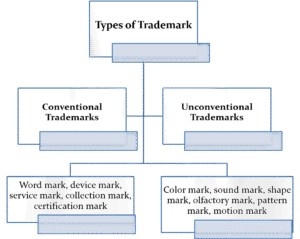
- Trademarks are broadly classified into conventional & unconventional types, as shown below –
Sound Trademark
- A sound, like a jingle or tune, can be trademarked in India if it is shown using musical notes, with or without words. While sound trademarks are common in the USA, they are gaining popularity in India too.
- The Trademarks Rules, 2017 officially recognize sound marks, helping businesses build strong brand recall through unique sounds.
- India granted its first sound trademark in 2008 for the famous “Yahoo yodel,” followed by ICICI Bank’s catchy jingle “Dhin Chik Dhin Chik” in 2011.
- In the beginning, India lacked specific rules on how sound marks should be represented, especially graphically. This changed with the 2017 amendment to the Trade Marks Rules, which introduced clear guidelines for registering sound marks.
Few Examples of Sound Trademarks
Here are a few notable examples of sound marks that have been successfully registered –


Requirements for Sound Mark Application
To register a sound mark in India, applicants must comply with the requirements specified under Rule 26(5) of the Trademark Rules, 2017.
- The application should clearly specify that it pertains to a sound mark.
- A visual depiction of the sound using musical notes must be submitted.
- An MP3 file of the sound, limited to 30 seconds, is also required.
Sounds Not Eligible for Trademark Registration
- Songs generally used as chimes.
- Simple pieces of music containing only one or two notes.
- Recognizable music linked to entertainment or amusement services.
- Traditional or regional music connected to goods or services from specific places.
- Children’s rhymes used for products or services meant for kids.
Registration of Sound Trademark in India


Conclusion
- Sound marks offer businesses an innovative method to distinguish their brand using distinctive sounds, creating a memorable auditory identity.
- In India, sound marks can be registered under established guidelines, ensuring legal protection for unique audio signatures.
- Protecting sound marks helps businesses solidify their brand identity and build long-lasting goodwill with customers.
- By securing sound marks, companies gain exclusive rights to their unique sounds, preventing unauthorized use and ensuring brand consistency.
- Renewing sound marks regularly allows businesses to safeguard their investments in audio branding, enhancing their market visibility.
- Leveraging sound marks in marketing and customer interactions fosters a deeper emotional connection with consumers, strengthening brand loyalty.
If you have any queries related to the Trademark search, please feel free to connect. At PATHtoIP LLP we ensure that every client receives exceptional results & insights through high-quality Intellectual Property research. As an experienced firm, we are dedicated to providing IP protection & delivering results capable of reaching your goals.